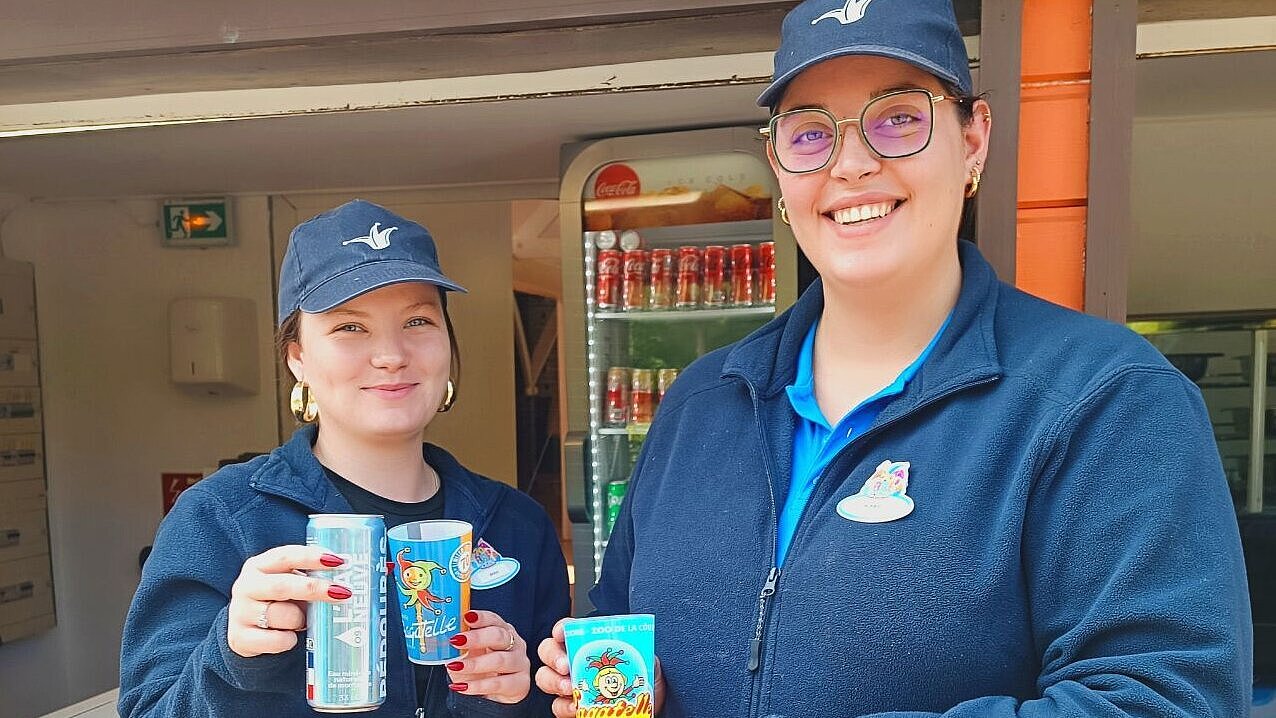

EDITO
“Sustainable tourism is a key priority in our leisure parks, and we are working towards this goal with our stakeholders: our staff, our visitors and our local communities. It represents both the present and the future of our sector, and we are committed to developing it at our own level by analysing, managing and monitoring our impacts as effectively as possible. We are therefore working on a daily basis with all our parks to implement concrete and positive measures.”
Marie NONELL
Sustainability Director
OUR COMMITMENTS TO SUSTAINABILITY
By their very nature, our leisure parks are closely linked to respect for the environment, ecosystems and people.
The 21 parks within the Looping Group, whilst differing in their activities and locations, all share a common commitment structured around five pillars of sustainability. Every year, they step up their efforts to ensure continuous improvement.
Through a process of continuous improvement, Looping Experiences is committed not only to reducing its negative impacts on the environment and ecosystems, but also to generating positive impacts by further integrating social, human and ecological considerations into its activities.
Governance
Sustainability is at the heart of our group’s governance, both within our support functions and at our sites.
Our monitoring indicators:
- Number of theme parks with a sustainability label, such as SNELAC’s “Sustainable Entertainment” label in France
- Sustainability targets within the variable pay component of our employees’ remuneration
- Number of internal bodies dedicated to CSR
- Our visitors’ perception score regarding sustainability
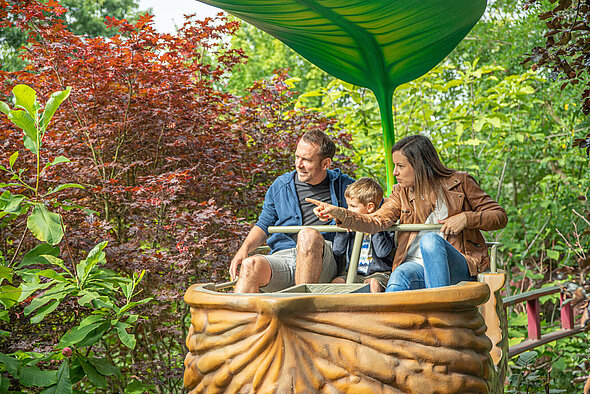
Environment
🌍Climate
Our commitment: To reduce our greenhouse gas emissions and incorporate the effects of climate change into our business model.
⚡Energy management
Our commitment: to reduce our energy consumption and increase our use of energy from renewable sources
💧Water management
Our commitment: to reduce our water consumption and increase the recycling and reuse of treated wastewater
♻️Waste management
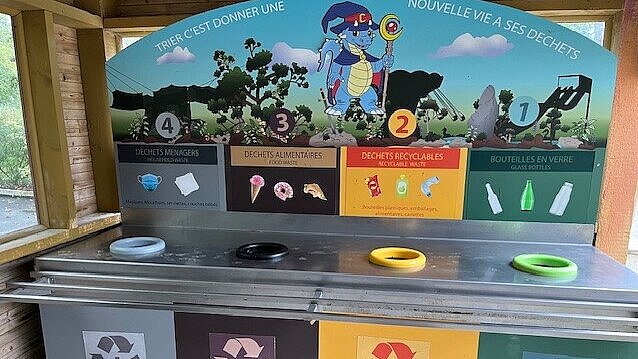
Our commitment: to reduce our waste and increase recycling and reuse
🚗Transport
Our commitment: to reduce the impact of journeys made by our staff and visitors
🌱Biodiversity
Our commitment: to preserve our ecosystems in support of local biodiversity
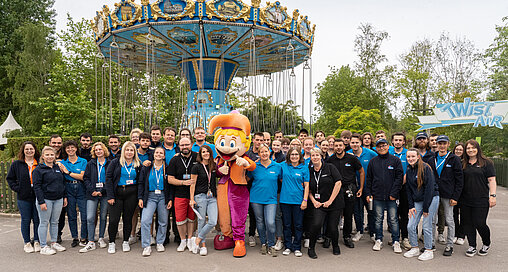
Social
🦺Health and Safety
Ensuring the safety of our visitors and staff without compromise
✊Internal Engagement
Our commitment: To foster staff engagement to ensure operational performance
🙆♂️Diversity and Inclusion
Our commitment: To ensure equal opportunities for all our staff
📙Skills Development
Our commitment: To develop our employees’ skills to address sustainability challenges and enhance performance
👌Visitor satisfaction
Our commitment: To ensure our visitors’ satisfaction with all the services offered in our parks
♿Leisure for all
Our commitment: To offer leisure activities accessible to as many people as possible
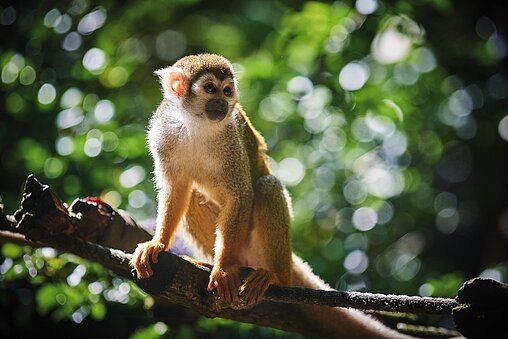
Animal welfare
🛡️Governance & conservation strategy
Our commitment: To place the conservation of endangered species at the heart of our strategy.
💧Physiological needs and physical health
Our commitment: To meet the physiological needs of species through approaches tailored to life in captivity
📝Animal welfare monitoring tools
Our commitment: To monitor the animals’ welfare on a daily basis using scientific monitoring tools and to implement appropriate measures to safeguard it
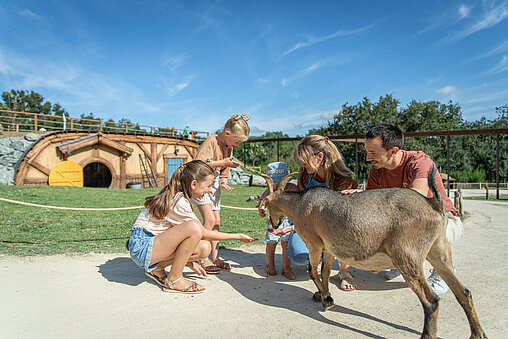
🧑🎓Public education and awareness-raising
Our commitment: To raise awareness amongst as many people as possible about the challenges of preserving biodiversity and animal species
Communities & regions
🧮Education and awareness-raising
Our commitment: To raise awareness amongst our audiences about more sustainable consumption and respect for the environment.
⚖️Business Ethics
Our commitment: To foster an ethical culture and demonstrate integrity in our business relationships
🚚Responsible Procurement
Our commitment: To contribute to the social and economic development of the regions in which we operate, by prioritising local procurement wherever possible and ensuring the traceability of our purchases
BEST PRACTICES
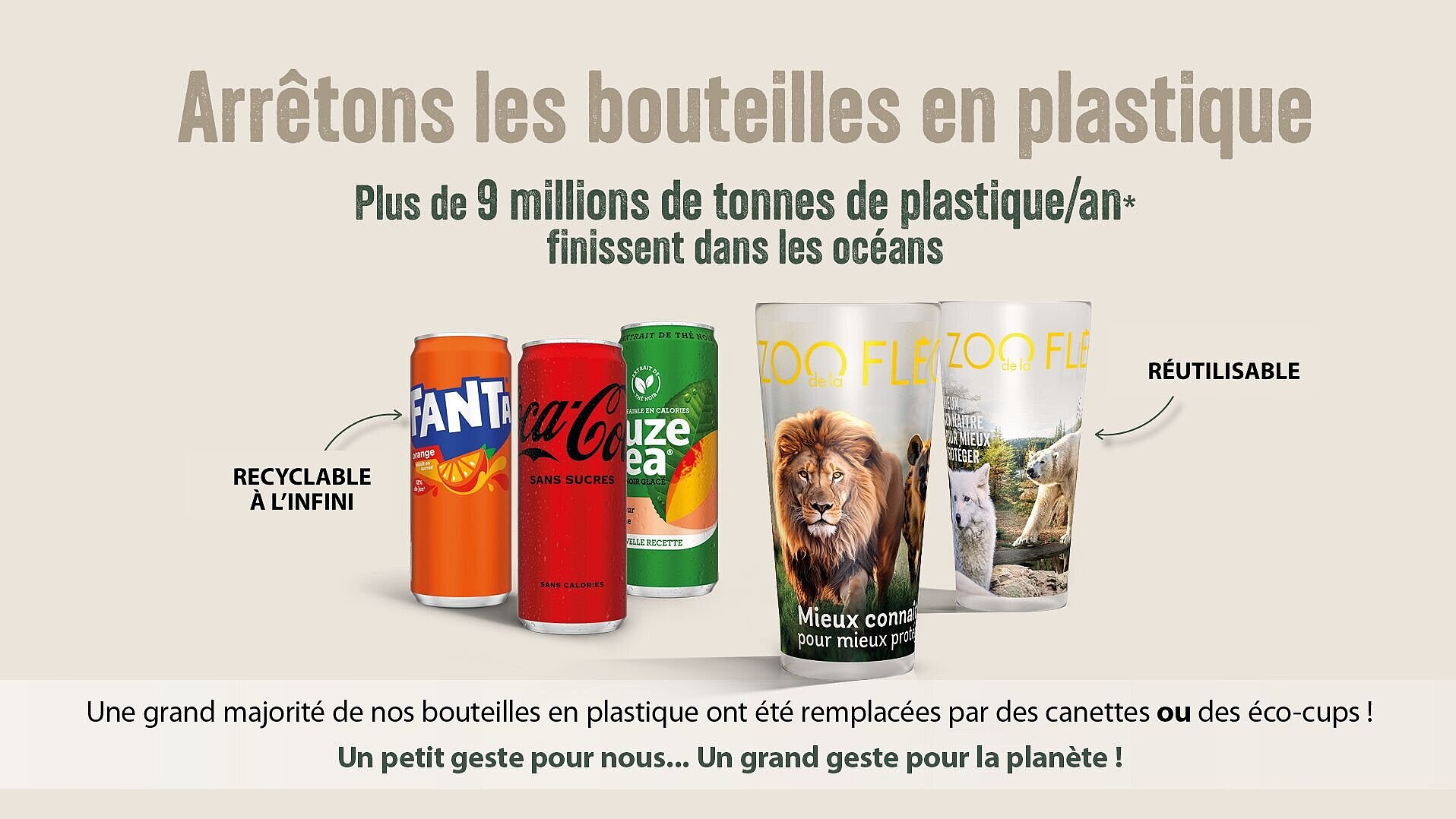
Reducing single-use plastic
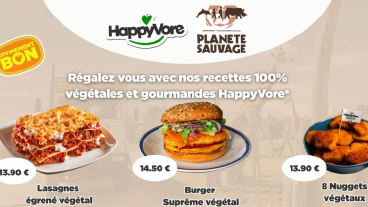
Plant-based alternatives
Waste sorting
Reducing single-use plastic